

Your Baby's Head Shape Matters—So Does Expert Care
Get answers about your baby's head shape from San Antonio's leading specialists.
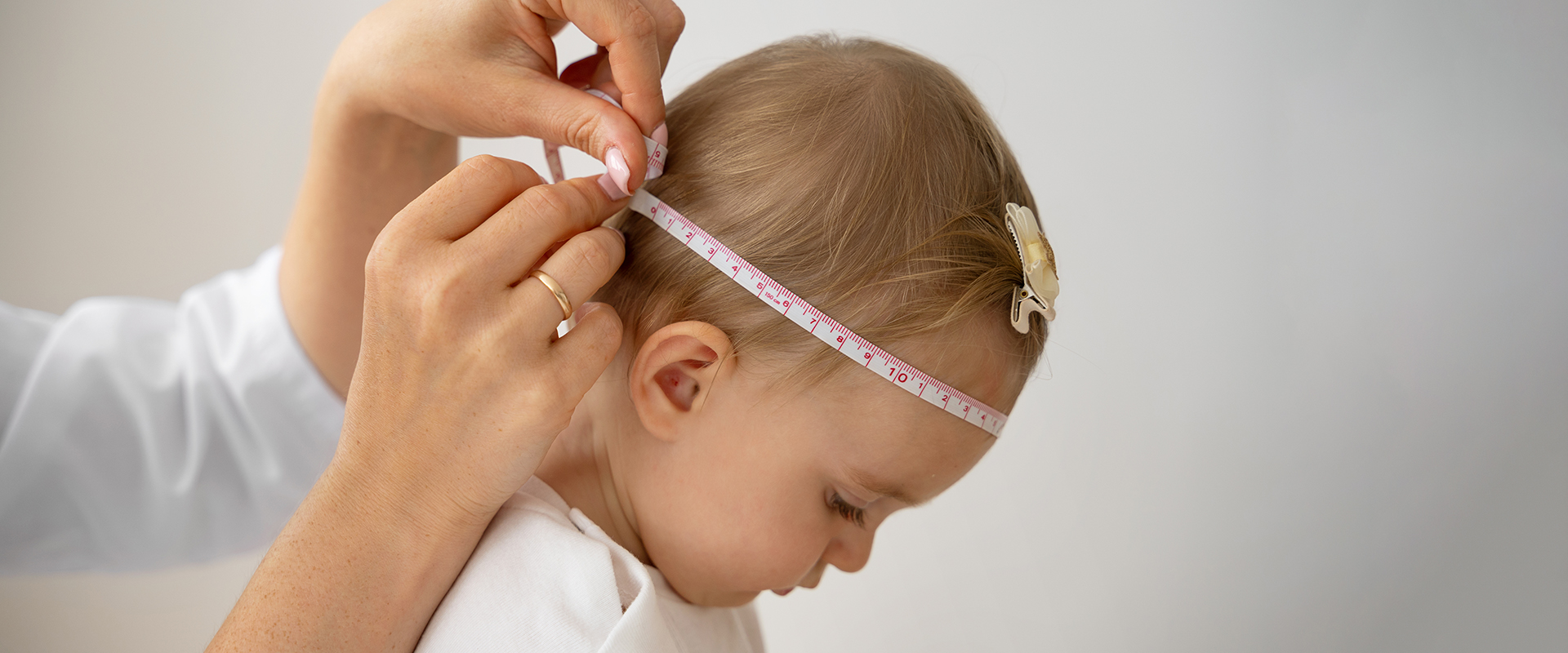
Newborns usually have slightly misshapen heads at birth. But if the shape remains unusual, it's wise to have it checked.
Is Your Baby's Head Shape Unusual?
Some babies have a condition where the soft spots in their skulls close too early. We call this craniosynostosis. It can affect your infant's normal head and brain growth.
Signs to watch for:
- Unusual head shape
- Bulging soft spot on the top of the head
- Hard, bony ridge along your baby's skull
- Slower head growth compared to body growth
Seek an evaluation if your newborn or infant has visible signs of craniosynostosis. We're here to help your little one grow healthy and strong.
Early Diagnosis & Treatment
Early detection matters. Take advantage of our experience with craniosynostosis. An early diagnosis gives your baby more treatment options. These options are often less invasive.
Second Opinions Available
Has a doctor already said your infant has craniosynostosis? Get a second opinion before surgery to understand all your treatment options.
Schedule an Appointment
Don't wait to get the care your baby needs. Request an appointment with a University Health specialist.
Why Choose University Health
Partner with University Health's top pediatric experts. Your child deserves the best possible care from a dedicated team. You’ll find care for your baby’s specific type of craniosynostosis.
All the services you need are in one place, so you won’t have to coordinate care among many facilities. You'll have access to:
- Minimally invasive procedures that use small incisions to make treatment safer
- Virtual surgical planning for better outcomes
- Shorter hospital stays for your family's comfort
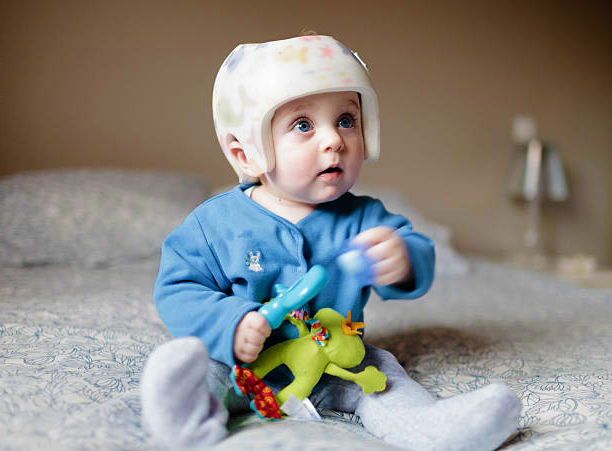
- Specialized cranial remolding helmet and therapy
Rest easy knowing your child is in good hands. Our team is well-known for innovative treatments for pediatric craniosynostosis. The American Cleft Palate Craniofacial Association recognizes and approves the University Health team.